Introduction to Interactive Screen Wireless Gaming Controllers
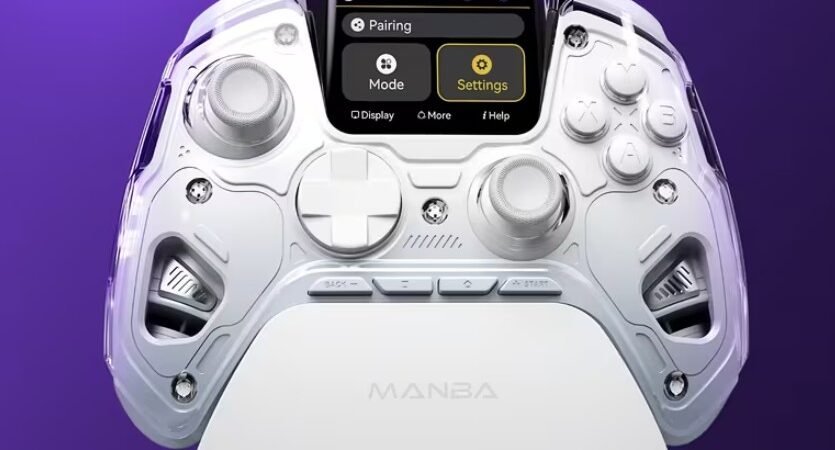
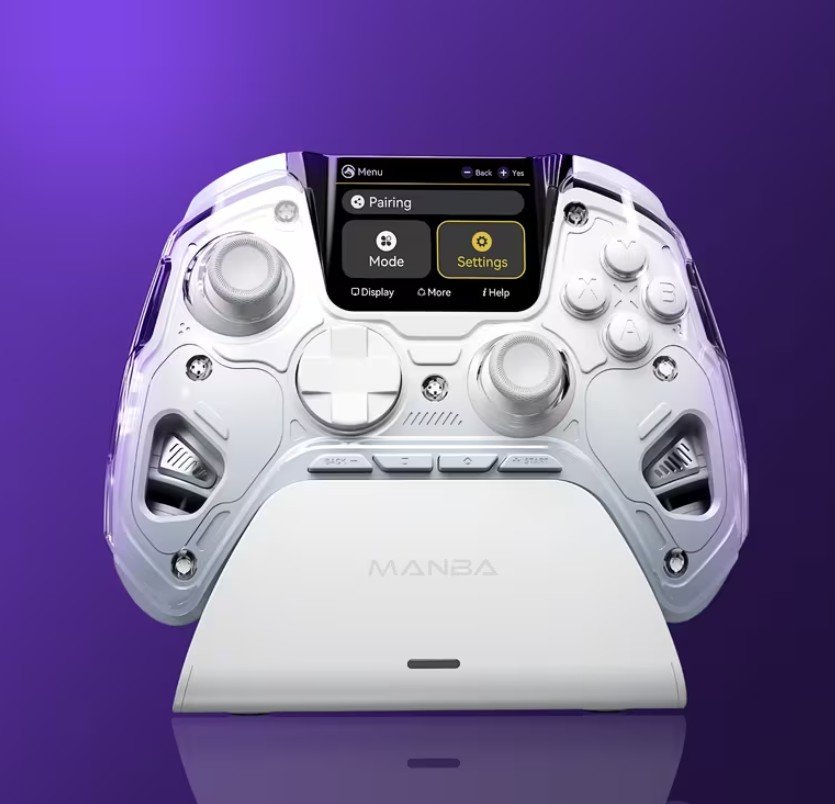
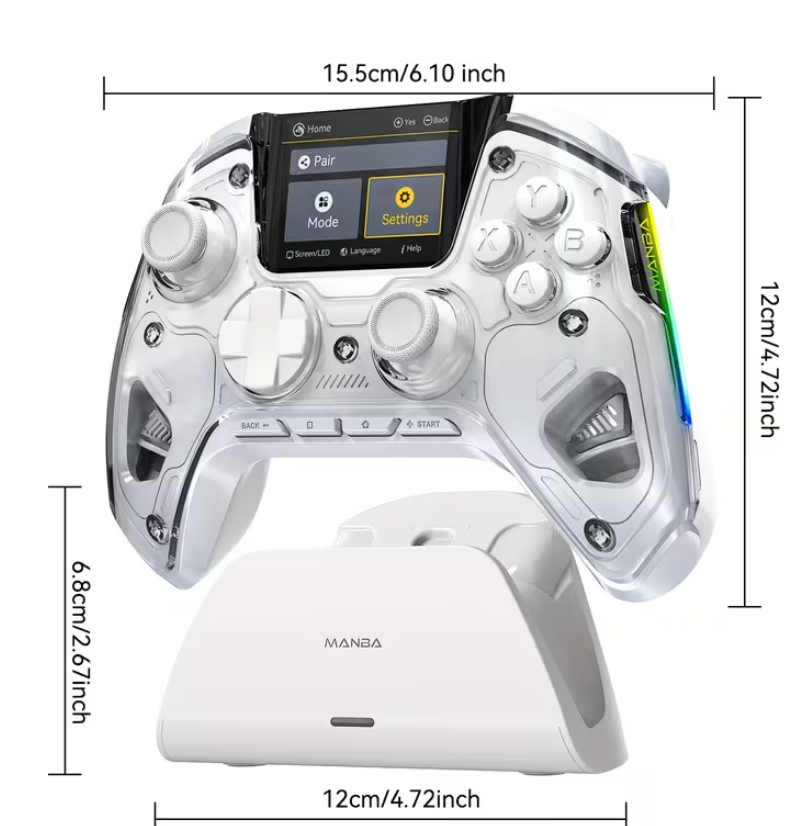
The advent of interactive screen wireless gaming controllers represents a significant advancement in the realm of gaming technology. These innovative devices integrate advanced functionalities with wireless connectivity, allowing gamers to engage with their favorite titles more immersively and intuitively compared to traditional gaming controllers.
At their core, interactive screen wireless gaming controllers enhance gameplay by enabling touch or motion-based interactions. Unlike conventional controllers that rely solely on buttons and joysticks, these controllers often include larger touch surfaces and gesture recognition features. This allows for a more comprehensive interaction model, providing gamers with the opportunity to perform complex actions with a simple swipe or tilt. The utilization of advanced technology not only elevates the gaming experience but also enhances accessibility for various types of players, including those who may find traditional controls cumbersome.
Another vital aspect of these gaming controllers is their compatibility with a wide array of platforms. They seamlessly connect to devices such as iOS and Android smartphones, the Nintendo Switch, personal computers (PCs), and the Steam Deck. This cross-platform functionality is a game changer, as it allows users to enjoy their gaming experiences without being tethered to a specific ecosystem. Such versatility is crucial in today’s gaming landscape, where players often switch between different devices and platforms. Overall, interactive screen wireless gaming controllers represent a trend towards more inclusive and accessible gaming, catering to both casual gamers and seasoned enthusiasts alike, while providing a diverse range of functionalities tailored to individual gaming preferences.
View On temu
The Technology Behind Hall Effect Sticks
Hall effect stick technology represents a breakthrough in the design of gaming controllers, enhancing the precision and durability of user interactions. This innovative technology relies on the Hall Effect principle, which describes the generation of a voltage difference (the Hall voltage) across a conductor when it is exposed to a magnetic field. In gaming controllers, this principle is harnessed to improve the functionality of joystick inputs.
Unlike traditional potentiometer-based sticks, which can degrade over time due to wear and tear, hall effect sticks utilize magnetic sensors that remain unaffected by physical contact. This results in a longer lifespan for the components and consistent performance over time. The absence of moving mechanical parts reduces friction and the likelihood of component failure, making hall effect sticks a reliable choice for gamers seeking durability.
Furthermore, the enhanced precision in movement detection offered by hall effect sticks is particularly beneficial in gaming scenarios that require fine control. These sticks provide smoother and more accurate input, translating into precise movements on-screen. Players benefit from a more responsive gaming experience, allowing for quicker reactions and improved gameplay performance.
Another significant advantage of hall effect technology is its resilience to environmental factors such as dust and moisture. This robustness contributes to the longevity of gaming controllers, ensuring that players can rely on their controls in various conditions. Overall, the incorporation of hall effect sticks into interactive gaming controllers signifies a substantial advancement in technology, offering both durability and superior movement detection which are essential elements for modern gaming experiences.
Benefits of Wireless Gaming Controllers for Different Platforms
Wireless gaming controllers are increasingly becoming an integral part of the gaming experience across various platforms, including iOS, Nintendo Switch, PC, Android, and Steam Deck. One of the primary benefits of these controllers is their enhanced convenience. Gamers can enjoy a cable-free experience, which allows for more freedom of movement. This is particularly beneficial in environments where space may be limited, as players are not tethered to a console or computer.
Additionally, portability is a significant advantage offered by wireless gaming controllers. Many gamers prefer the ability to carry their controllers easily between different locations and platforms. Whether transitioning from a PC setup to a Nintendo Switch or playing games on Android, wireless controllers provide a versatile solution that enhances gaming on the go. This portability ensures seamless switching between devices, enabling a cohesive gaming experience without the hassle of cables.
Another noteworthy attribute of wireless gaming controllers is their multi-platform functionality. Many modern wireless controllers are designed to be compatible with a variety of systems, allowing players to use the same device across different platforms. This is especially beneficial for individuals who utilize multiple devices for gaming, as it eliminates the need to invest in separate controllers for each platform, thus saving both money and space.
Moreover, the integration of wireless controllers often improves the overall gaming experience. With advanced features such as haptic feedback and customizable buttons, gamers can enjoy a more immersive experience that enhances gameplay across different titles. Overall, the shift towards wireless controllers signifies a transformative step in gaming, catering to the evolving needs of players while enriching the gaming landscape.
Future Trends in Gaming Controllers
The landscape of gaming controllers is evolving rapidly, influenced by advancements in technology and player expectations. The future of gaming controllers will likely reveal several key trends, particularly in regard to interactivity and wireless functionality. One trend that is gaining traction is the shift towards more intuitive control schemes that enhance user engagement. Developers are increasingly incorporating motion-sensing technology and haptic feedback to create a more immersive gaming experience. These features allow players to feel the in-game actions, facilitating deeper connections between the game and the player.
Another noteworthy trend is the rise of cross-platform compatibility. As the gaming community continues to expand, gamers are demanding more flexibility in how they play. Future controllers are expected to support a wider range of devices, enabling seamless interaction across consoles, PCs, and mobile devices. This adaptability ensures that gamers can utilize their preferred controllers regardless of the platform, simplifying the overall gaming experience.
Wireless technology will also play a critical role in shaping the future of gaming controllers. Innovations in Bluetooth and other wireless standards promise to enhance connectivity and minimize latency, creating a more responsive gaming environment. Furthermore, wireless charging solutions are expected to gain prevalence, eliminating the need for traditional battery replacements, and enhancing convenience for gamers.
In line with these trends, developers are increasingly focusing on the social aspects of gaming. Future controllers may incorporate features that facilitate multiplayer interactions, such as integrated chat functions or social media sharing capabilities. These additions aim to create a more connected gaming community, enhancing the overall experience both in-game and out.
In conclusion, the future of gaming controllers lies in their ability to integrate advanced technologies, enhance user interactivity, and support cross-platform functionality. As gaming evolves, so too must the hardware, ensuring that it meets the dynamic needs of a diverse player base. The importance of innovative developments in gaming controllers cannot be overstated in a rapidly changing gaming environment.